Social Media Trends for Business: What Lasts After the Moment Passes
This is a guest post authored by Cecelia Fraser of Sonder & Media Creative Studio. Got a post idea you think would be a good fit for my audience? Click here.
For a very demure, very mindful three weeks in August 2024, every single brand account on the internet was utterly obsessed with Jools Lebron’s catchphrase after she posted a TikTok about how she does her makeup for work. Her tongue-in-cheek phrasing poking fun at being modest and appropriate took off, and within days banks, fast food chains, city accounts and probably your dentist had all made their own version.
Then it was over. The trend cycle did its thing. The early adopters popped off, and then it hit saturation the way every internet joke does, hot for five business minutes and gone just as fast. If you scroll back through any of those accounts now, the demure posts are just sitting there, a little dated, like a photo from 2016 when we were all wearing a perfect cut crease to the grocery store.
I'm not here to disparage anyone who made a very mindful video. I've hopped on trends, my clients have hopped on trends, and some of those posts did really well. What I want to talk about is what happens after, because every trend dies, and when it does, what matters is what's left on your account for the people who found you through it. In marketing that translates to “In marketing terms, trends are a great top-of-funnel tool, but they need mid and bottom-of-funnel content behind them to build trust and eventually turn into clients.”
As the kids say, let me cook.
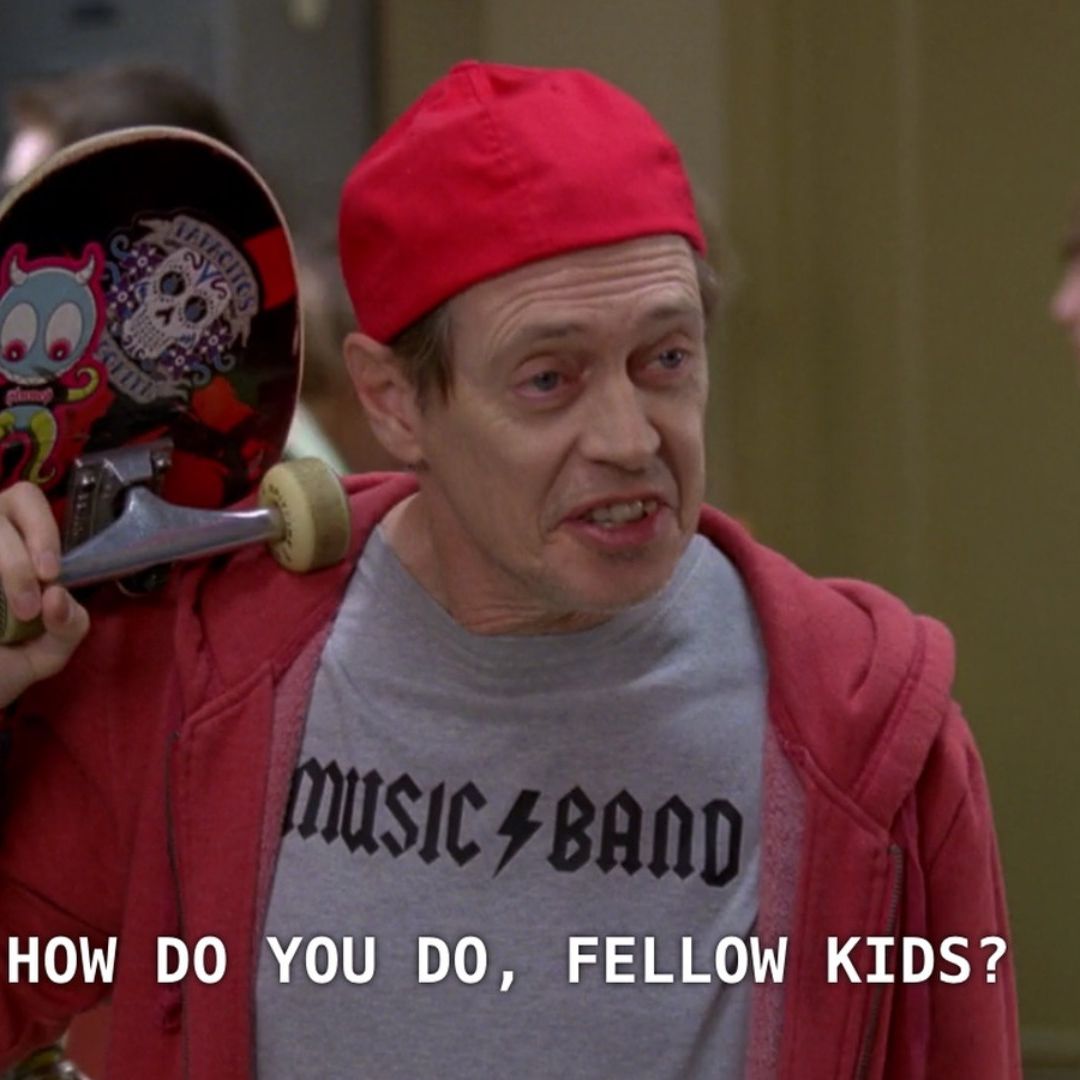
Pictured: How Cecelia felt saying ‘let me cook’

Guest Author: Cecelia Fraser
Founder, Sonder & Media
Cecelia Fraser is the founder of Sonder & Media Creative Studio, a strategy-first social media and web design studio based in Surrey, BC. She works with service businesses that grew on referrals and are ready to go from “what do I post today?” to “that client found me on social.” Grab her free field guide, The Editor’s Desk here to plan content where every post has a job.
A Trend is Borrowed Attention
When you use a trending sound or a format everyone recognizes, you're borrowing an audience that already exists. The platform is already pushing that sound, people are already primed to watch that format, and you get to take a ride on the upswing of the trend cycle rollercoaster. That’s a legit move, by the way. It’s how a lot of smaller accounts get seen, and how a lot of larger accounts capitalize on a moment.
The catch is that borrowed attention goes back to the lender. Most of the people who watched your version of the trend were there for the trend. A few of them will be curious enough to tap through to your profile, which means that whatever they find on your profile matters, because it’s the deciding factor in whether or not that attention turns into anything.
If what they find is twelve more trend posts, they've learned that you're good at trends, but they have no idea what you do, what you’re selling, or why they should pick you over all the other accounts using the same audio. In other words, there’s no value for them.
This is where your pinned posts, highlights and bio go to work. Pin the posts that explain what you do and how to work with you, so the person who taps through from a trend lands on your best mid and bottom-of-funnel content first, instead of your three most recent memes.
Trend Content Only Does One Job
Trend content lives at the top of the funnel. It’s whole job is to extend your reach, to build your brand awareness. When it works, it does its job really well. The problems come when that’s the only content you’re putting out.
I had a reel about ethics reach 300 times my usual audience. It was a great week in terms of analytics, but it reinforced the difference between getting seen and getting hired. Those two things require different content with different jobs.
Think about how you decide to hire someone for anything that costs real money. Sure, you might find them by accident through a reel or a post sent to you by a friend, but you didn’t hire them because of one post. You went to their profile, poked around, read a bunch of stuff, watched them explain things to evaluate their thinking, and came away thinking they know their shit and would be decent to work with. That’s when you go looking for how to book with them.
That’s a funnel that’s doing its job, and is fleshed out from top to bottom.
The Middle is Where People Decide Whether to Trust You
Middle-of-funnel content answers the "okay, but are they any good?" question. It's content that shows how you think about problems in your field, your process, the questions clients ask you constantly, the mistakes you see people make before they come to you, and client stories. It’s slower content and rarely goes viral, but it’s not supposed to. It’s job isn’t to be fun and flashy, it’s to make people think highly of you.
This is also the content that does the heavy lifting with the people who never comment. Most of the people who'll eventually hire you are reading and decision making behind the scenes in their own time, and middle-of-funnel posts are what they're reading.
One thing I want you to keep in mind is that a trend can carry mid-funnel content too. If you use a trending format to explain how you actually think about a client problem, the sound gets you seen and the substance gets you trusted. It’s when the trend is the whole idea that it stops working for you.
The Bottom is Where You Tell Them How to Hire You
When I start talking about bottom-of-funnel content, people tense up. I can see their feelings about sales running around behind their eyes like a swimmer whose foot just touched seaweed (ew ew ew get me out of here). That bottom of funnel content gets skipped a lot because business owners think it’s ‘too salesy’ or gross. That can be a hard hurdle to cross, but part of owning a business is selling, and it doesn’t have to be an unethical or weird feeling. These are just posts that say who you work with, what working with you looks like, roughly what it costs, and how to get started.
Someone who's spent twenty minutes on your profile and decided they like you is actively looking for this information, and if they can't find it, a lot of them won't go digging. They'll go with the person who made it easy. A clear "here's how to work with me" post every so often is a courtesy to the people who were already halfway to deciding.
It doesn't need to be a hard sell. "Here's what the first month of working together looks like" is bottom-of-funnel content. So is a post answering the question you get on every discovery call, or a story about the client who almost didn't book because they assumed you'd be out of their budget.
It also doesn’t have to be a lot of selling. The classic marketing advice for direct selling content is that it should only make up 20% of your content, and that still holds true.
Voice is What Makes a Trend Post Yours
Funnel stages are half of what survives the trend. The other half is voice. If you cover your logo and your name on the last trend post you did, could it pass as any other business’s content? If the answer is yes, that trend didn’t do anything for you even if it did numbers, because it wasn’t memorable as yours once someone scrolled.
The trend posts that hold up over the long term tend to be ones where the business is bringing something only they could bring, like an angle from their work, or an inside joke from their industry, or an opinion they’re willing to stand on ten toes down. A recognizable voice is what turns "a business did the trend" into "that's so them," and "that's so them" is the thing people remember when the sound is withering away in post-trend oblivion.
Fashion magazines cover trends every single month, and you can find the same trends anywhere online for free. What a reader keeps coming back for is the editors' point of view on them. Your account works the same way. The trend is the occasion, and your take on it is the reason anyone remembers you.
Questions to Ask Before You Jump on the Next Trend
- Do I have an actual angle on this, or am I just using the sound?
- Could a competitor post this exact thing without changing a word?
- If someone new swipes through to my profile after this, what will they find there?
- Will this still make sense in six months, and does it need to?
If you've got good answers to the first three, go for it, and good on you. Trends are fun, and done well they put you in front of people you'd never reach otherwise. The last question is there so the only thing on your account isn’t trends and holiday acknowledgement posts with nothing that’s still working for your business down the line.
What's Left Standing
The trend is going to die. They always do, and the faster something blows up, the faster everyone gets sick of it. That’s just how it works. Put the trend to work while it's still alive - its function is to get eyes on the rest of your mid and bottom-of-funnel content so someone’s casual scroll turns into a potential client.
If you're not sure what a stranger would actually find on your account right now - or why none of the people who do find your account seem to be converting, that's exactly what the Social Media Diagnostic looks at. I go through your Instagram, do an in-depth audit of everything from content to CTAs and bios, then walk you through what's working, what isn't, and a custom 90-day plan to fix it.
Note from Trina: I met Cecilia after returning to my business earlier this year (2026). Her Social Media Diagnostic and advice has been invaluable in helping me navigate how to approach my social media efforts (a task I hate) without it consuming valuable time & energy. If you're looking for help with your social media strategy, she should be your first conversation.
Read Next: What Happens After the "Buy Canadian"Surge?
Canadians know that the US and Canada are not the same, that applies to marketing strategy as well. Learn why a borrowed US playbook won't work here and what to do instead.